
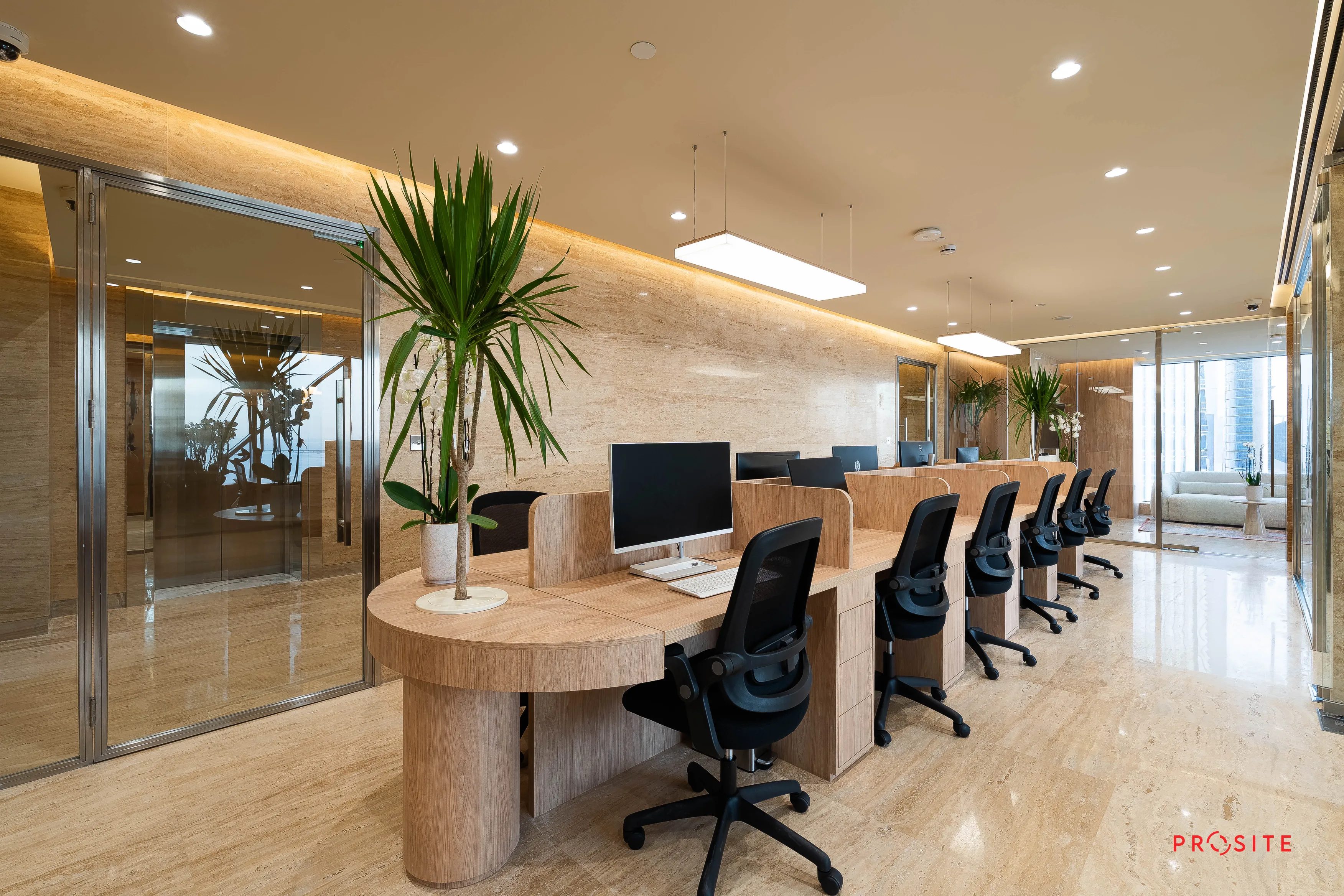
A commercial fit-out can completely change how a business looks, feels, and operates. Whether you are preparing a new office, restaurant, retail store, showroom, clinic, or other commercial space, the contractor you choose will have a major influence on the final result. That is why Hiring a Fit-Out Company in Kuwait should never be based only on the lowest quotation.
A good fit-out partner should understand your business needs, design requirements, technical systems, materials, budget, timeline, and site conditions. They should also be able to coordinate the many trades involved in turning an empty or outdated space into a functional commercial interior. Before signing a contract, consider the following factors carefully.
1. Check Their Experience With Commercial Fit-Out Projects
The first thing to review is the contractor’s actual experience. A company may be good at general construction but have limited experience with commercial interiors. Fit-out work requires detailed coordination between partitions, ceilings, flooring, lighting, electrical systems, plumbing, air-conditioning, furniture, joinery, and decorative elements.
Ask to see completed projects. Look for projects similar to your own business. If you are planning a restaurant, review restaurant interiors. If you need an office, check workplace projects. Retail owners should look at stores and showrooms.
A strong portfolio gives you a better understanding of the contractor’s design quality, finishing standards, and ability to work with different types of commercial spaces.
2. Look for Design and Build Capabilities
One of the biggest decisions when Hiring a Fit-Out Company in Kuwait is whether you want separate design and construction teams or one company that can coordinate both. An integrated design and build approach can make communication easier.
The designers understand what the construction team needs, while the site team understands the original design intention. This can help identify practical issues before they become expensive changes during construction.
Prosite provides design, build, and maintenance services in Kuwait, allowing commercial projects to move from planning and space design into construction through a coordinated service structure.

Why Coordination Matters
Imagine approving a beautiful ceiling design only to discover later that it conflicts with air-conditioning ducts. Or custom furniture may arrive and block an electrical outlet. These problems often happen when different teams work without enough coordination. Early communication between designers, engineers, contractors, and suppliers can reduce unnecessary rework.
3. Review the Range of Fit-Out Services
Before selecting a contractor, clearly understand which services are included. A complete commercial fit-out can involve much more than painting walls and installing furniture. Prosite’s current build services include turnkey fit-out projects, civil and structural work, carpentry, electrical services, plumbing, painting, and flooring.
Depending on the project, you may also need glass partitions, ceilings, lighting, custom joinery, mechanical coordination, signage preparation, furniture, and finishing work. Choosing a company that can coordinate several areas of the project can reduce the amount of separate contractor management required from the client.
4. Understand Their Knowledge of Kuwait Requirements
Local experience is particularly important when Hiring a Fit-Out Company in Kuwait. Commercial properties may have requirements connected with the building, landlord, municipality, engineering consultant, fire-safety systems, or other authorities depending on the scope and type of project.
For example, Kuwait Municipality documentation for certain commercial and industrial building licensing processes requires engineering plans and design approval from the relevant fire-prevention authority.
Not every interior project follows exactly the same approval process, so the contractor should identify the requirements that apply to your specific space before work begins. Ask who is responsible for drawings, submissions, approvals, inspections, and coordination. Clear responsibility at the beginning can prevent confusion later.
5. Compare Quotations Carefully
Price matters, but the cheapest quotation is not automatically the best value. Two contractors may provide very different prices because their quotations include different materials, specifications, quantities, warranties, or scopes of work.
Before comparing totals, compare what is actually included. Check the type of flooring, paint system, lighting, sanitary fixtures, partitions, ceiling materials, hardware, electrical work, and joinery specifications.
Also look for exclusions. A low quotation can become expensive if many important items are added later as variations.
Ask for a Clear Scope of Work
Your quotation should make it easy to understand what you are paying for. Where possible, ask for clear descriptions of materials, quantities, brands or specifications, and responsibilities. This makes it easier to compare contractors fairly and control the project budget.
6. Check Material Quality and Availability
Materials affect appearance, durability, maintenance, and cost. Commercial spaces normally experience more daily use than residential interiors, so materials should be selected according to how the space will operate.
A restaurant floor, for example, may require different performance characteristics from flooring inside a private meeting room. When Hiring a Fit-Out Company in Kuwait, ask how the contractor recommends materials.
A professional team should consider more than appearance. Availability, maintenance, durability, installation requirements, replacement options, and overall cost should also influence the decision.

7. Ask About Project Management
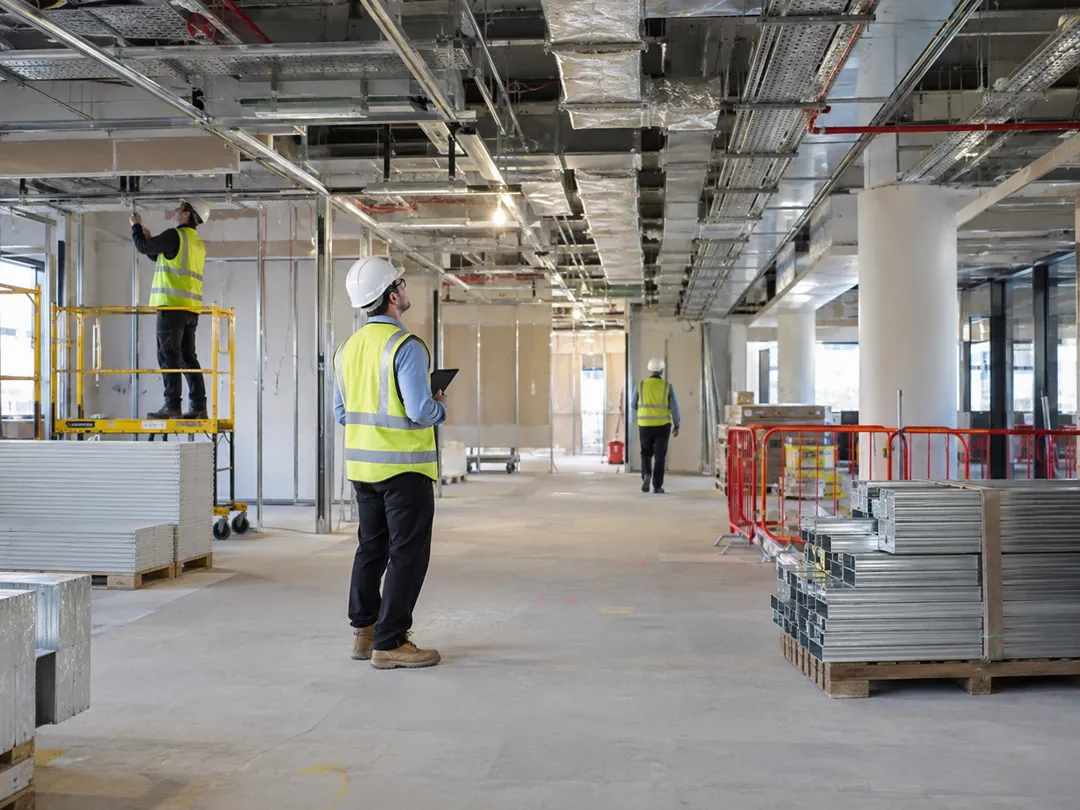
Even an excellent design can fail if the site is poorly managed. Commercial fit-outs involve several trades working in a specific sequence. Electrical and mechanical services may need to be completed before ceilings close. Flooring might need protection while carpentry continues. Furniture installation may depend on painting and electrical work being finished first.
Ask who will manage your project. You should know who your main contact is, who supervises the site, how progress is reported, and how design changes or unexpected issues will be handled. Good project management keeps different activities connected.
8. Discuss the Timeline Before Starting
Businesses often have fixed opening dates, lease commitments, staff relocation plans, or marketing campaigns connected to a new space. Your contractor should therefore provide a realistic project schedule. Be cautious if a company promises an unusually short completion time without properly reviewing the scope.
A realistic schedule should consider design approvals, material ordering, site preparation, construction, technical works, finishing, inspections, corrections, and final handover. It is better to receive a practical timeline at the beginning than an unrealistic promise followed by repeated delays.
9. Look at Finishing Quality
The overall design may attract attention, but small details often reveal the real quality of a fit-out.
Look closely at:
- Joinery edges and joints
- Flooring transitions
- Wall finishing
- Paint quality
- Glass installation
- Lighting alignment
- Door hardware
- Ceiling details
- Electrical outlets
- Custom furniture
When visiting a completed project or reviewing detailed photographs, focus on these areas. Professional finishing can make the difference between a space that simply looks new and one that feels properly completed.
10. Consider Maintenance After Handover
Your relationship with a contractor does not necessarily have to end when construction finishes. Commercial spaces need ongoing maintenance. Lighting, electrical systems, plumbing, mechanical components, ceilings, doors, finishes, and other elements may eventually require inspection, adjustment, or repair.
Prosite includes maintenance within its wider service offering, covering electrical, mechanical, and civil works. Working with a company that understands the original project can be useful when future maintenance or modifications are required.
Questions to Ask Before Hiring a Fit-Out Company in Kuwait
Before making your final decision, ask the contractor about previous similar projects, project management, material specifications, timelines, approvals, payment schedules, variations, warranties, and maintenance.
Do not hesitate to ask detailed questions. A professional contractor should be able to explain the process clearly and help you understand what happens from the initial design stage through construction and final handover.
Why Consider Prosite for Your Kuwait Fit-Out Project?
Prosite provides interior design, fit-out construction, and maintenance services for commercial projects in Kuwait.
Its service structure covers the main stages involved in transforming a space, from design and space planning to turnkey construction and ongoing maintenance support. For businesses that prefer dealing with a coordinated team rather than several unrelated contractors, this approach can simplify project communication and execution.
Conclusion
Hiring a Fit-Out Company in Kuwait is an important business decision. Do not choose a contractor based only on an attractive design or a low price. Look at relevant experience, service capabilities, technical coordination, local knowledge, material quality, project management, timelines, finishing standards, and after-handover support.
Taking time to evaluate these factors before construction begins can help you choose a fit-out partner that understands both your commercial requirements and your long-term goals. A well-planned fit-out should not simply make a space look better. It should create an interior that supports your employees, customers, operations, and brand every day.
Call to Action
Planning an office, restaurant, retail, showroom, or other commercial interior in Kuwait?
Talk to Prosite about your project requirements, design ideas, fit-out scope, materials, budget, and timeline.